







Search Results for: local coffee beans
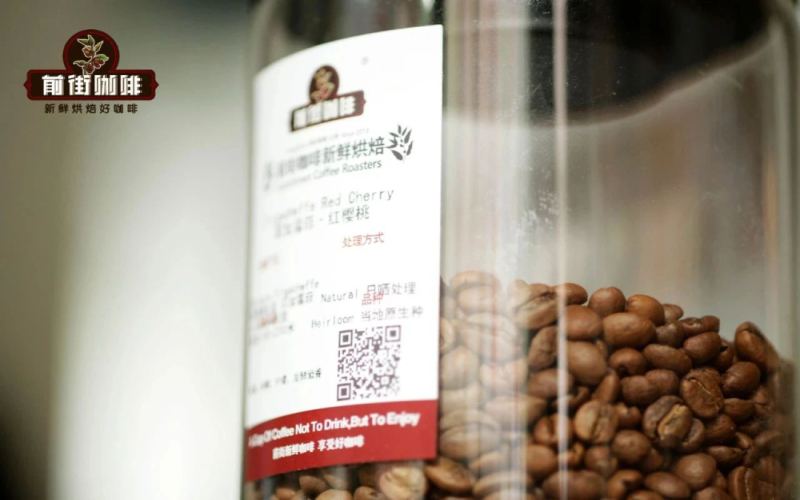
Landrace and Heirloom in Ethiopian Coffee Beans: What Exactly Is the Difference Between Native Species and Local Varieties?
When purchasing Ethiopian coffee, the terms "native species" or "heirloom" commonly seen on packaging are already familiar to many, but in the past two to three years, a new term, "landrace," has also begun to appear frequently. What exactly is the difference and connection between the two? This article, from the perspective of Front Street, sorts out the essence of heirloom mixed harvesting, the logic behind the formation of landrace local varieties, and, using the specific case of Front Street Kafa Forest coffee beans, explains the regional story behind variety labeling. At the same time, it will also clarify a common misconception: Kafa Forest and Panama Geisha are completely different things; the former emphasizes the terroir of the origin, rather than a specific variety. [more…]

After the % Arabica Philippines partnership fell apart: former franchisee launches local brand Angkan Coffee and takes over the original store locations
Major changes have occurred in %Arabica's partnership in the Philippine market. The brand announced via Facebook that it has terminated its partnership with its former Philippine partner Allue Hortaleza and has found a new agency company, with new stores expected to open within the year. Allue Hortaleza subsequently confirmed the news on social media and launched the local Philippine coffee brand Angkan Coffee on February 10. Since the original %Arabica store locations belong to it, the new brand will open directly at the original sites. Angkan Coffee draws somewhat on %Arabica in its business philosophy and brand aesthetics, while emphasizing the sourcing of local Philippine coffee beans and the integration of local aesthetics and hospitality. Allue Hortaleza insists that the two are not the same and believes the new brand will influence %Arabica's future restart in the Philippines. This article sorts out the course of events and the brand details. [more…]
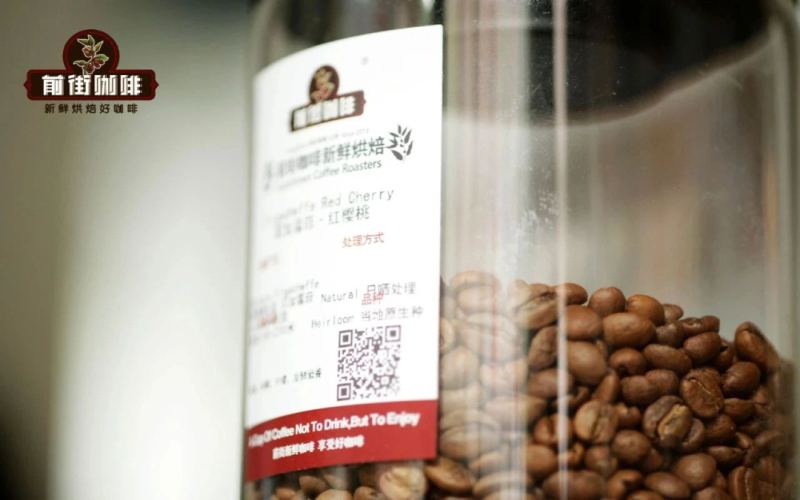
Heirloom and Landrace on Ethiopian Coffee Labels: How Exactly Do We Distinguish Native Varieties from Landraces?
Friends who frequently buy Ethiopian coffee beans are certainly familiar with the variety label "Heirloom," usually translated into Chinese as "native species" or "heirloom." But in the past two or three years, another term has quietly appeared on the packaging of some Ethiopian beans—"Landrace." What exactly is the relationship between it and Heirloom? Are they different names for the same thing, or two completely different concepts? In this article, Front Street will take a careful look at the origins and evolution of Landrace local varieties, starting from Ethiopia's garden planting system, sorting out the mixed-harvest nature of Heirloom, then moving on to JARC's work in identifying local varieties, and why more and more international green bean merchants have begun to purchase these varieties with distinctive regional characteristics separately. At the end, we also include information on the Kaffa Forest lot currently sold by Front Street for everyone's reference and comparison. [more…]

Is It Normal That You Can't Taste the Notes on the Coffee Flavor Wheel? Is Localization Necessary? Explained in One Article
Many people who are just getting into specialty coffee are often baffled by the flavors described on packaging or by baristas, and may even wonder whether they are simply not suited to drinking single-origin coffee. In fact, it is not at all unusual to be unable to taste specific flavors—the purpose of the SCA Flavor Wheel is to provide a reference range, not to require you to identify each item one by one. This article discusses the origins of the flavor wheel, the 2016 revised edition, localization attempts in Taiwan and Indonesia, and whether China needs its own local flavor wheel, helping coffee lovers set aside their anxiety and return to the simple pleasure of drinking coffee. [more…]
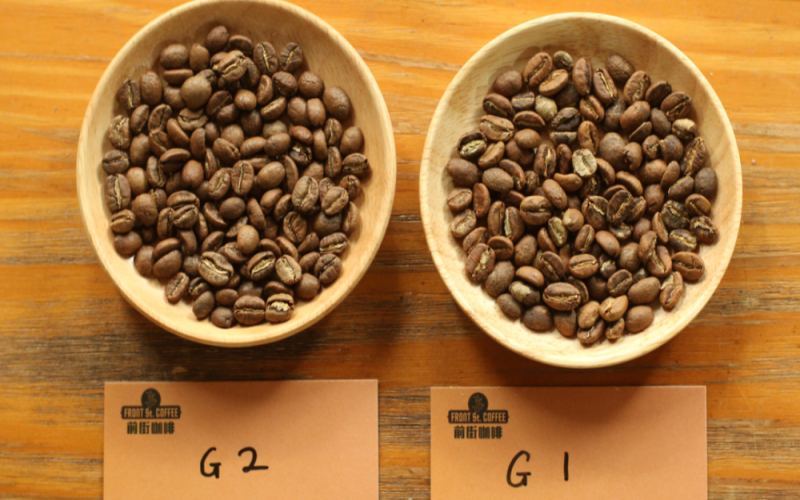
Decoding Yirgacheffe G1 and G2 Coffee Beans: Local Heirloom Grading, Washed and Natural Processing, and Flavor Differences
Ethiopian Yirgacheffe is a dazzling star in specialty coffee, but do you understand the logic behind its G1 and G2 grading? From the perspective of Front Street Coffee, this article takes you deep into Yirgacheffe's variety system and grading standards, and compares how the washed and natural processing methods shape two completely different flavor profiles. Whether you are a coffee enthusiast just starting out or a seasoned taster looking to refine your skills, you will find practical reference information here. [more…]
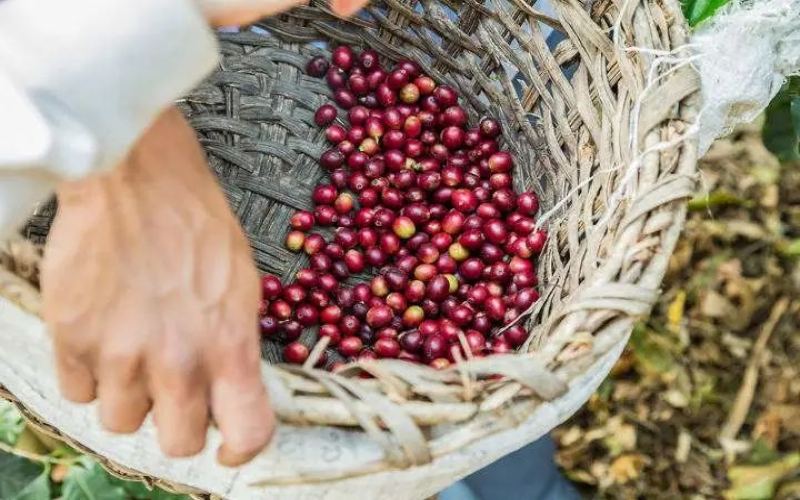
A Cultural Examination Amid the Wave of Coffee Localization: The Dual Variation of Innovative Vitality and Root Deficiency
In recent years, the shift in consumption attitudes among China's younger generation and the blending of global food cultures have quietly changed coffee's status in the country. Chain brands have brought coffee from a light luxury into daily life, specialty coffee culture has rapidly spread with the help of local forces, and Yunnan coffee beans have moved from obscurity to popularity. What followed is a trend of coffee's "Sinicization"—from stewing and extraction to serving in tea bowls, from youtiao and jianbing to rice wine and Moutai, coffee is putting on a Chinese-style coat. Yet is this localization a school worth passing down, or a fleeting trend lacking roots and soul? This article will explore the innovative surface and inner deficiencies of Chinese-style coffee, and consider how coffee culture can truly take root in China. [more…]
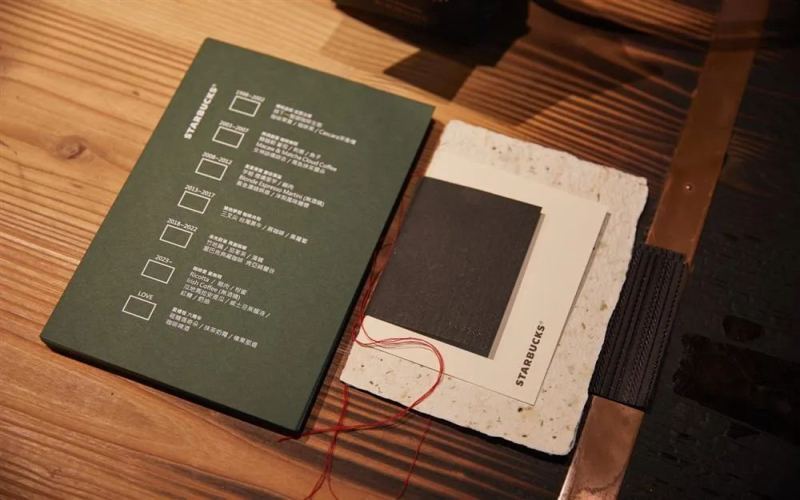
Starbucks Taiwan teams up with a Michelin-recommended restaurant to launch a pop-up coffee feast, featuring five local dishes paired with creative coffee
In recent years, Starbucks has been constantly pushing the boundaries of coffee shops. Last year, the Shanghai Roastery launched a limited-time buffet, and this year, Taiwan region, under the theme of "creating more Gold Star value experiences," partnered with the local Michelin Plate-recommended restaurant Embers to create a one-night-only pop-up "coffee feast." The event was limited to 28 spots, with registration requiring 200 stars plus NT$1,800. This feast centered on the theme "A 24-Year Starbucks Journey," featuring five limited-edition dishes designed with local Taiwanese ingredients, paired with creative coffee drinks developed by Starbucks. From an opening of cascara tea champagne to a closing of non-alcoholic Irish coffee, each dish carried a local story of Starbucks' 24 years in Taiwan. This article will provide a complete breakdown of the culinary creativity behind this coffee feast and the brand narrative behind it, while also reviewing Starbucks' previous collaborations with Michelin one-star restaurant chefs, and exploring whether its next step is truly to open a Michelin restaurant. [more…]
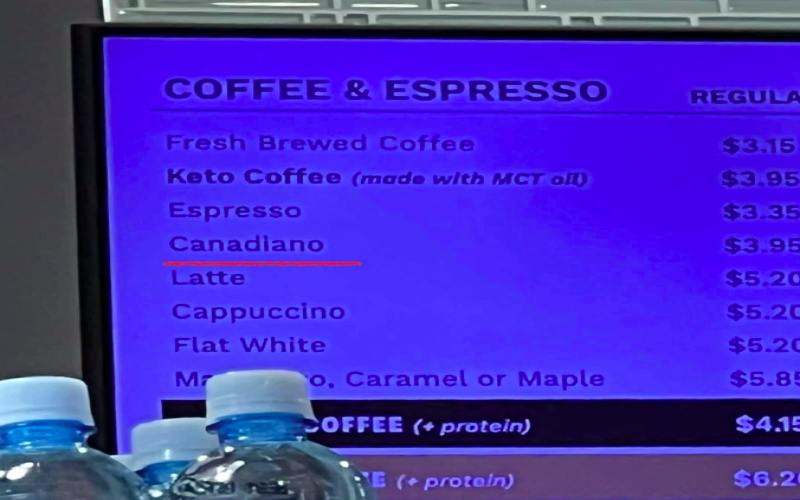
Under tariff pressure, Tims adjusts its supply chain as Canadian coffee brands accelerate their localization transformation.
The U.S. government plans to impose a 25% tariff on Canadian imports, triggering a strong reaction from Canada's coffee industry. Some independent cafes are renaming "Americano" to "Canadiano" in protest, while the domestic chain brand Tims has chosen to tackle the issue at the supply chain level, planning to reduce its reliance on American suppliers and shift toward local sourcing. However, this adjustment could affect multiple links such as coffee beans, ingredient materials, and packaging materials, thereby impacting product taste, packaging, and even pricing. At the same time, Canadian consumers' acceptance of "100% localized" products remains to be seen, as the previously launched local egg breakfast series met with a cold market reception. [more…]
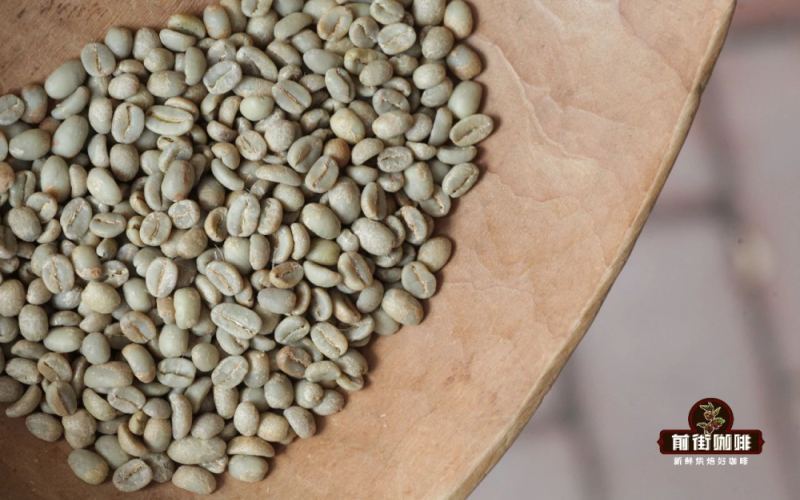
Ethiopian Heirloom Coffee Beans Explained: Differences from Landrace Varieties and Grading Standards
Ethiopia, as the birthplace of coffee, boasts an astonishing variety of cultivars, with nearly 2,000 varieties recorded to date, of which 1,927 are native varieties. Ethiopian coffee beans commonly found on the market are mostly labeled as Heirloom native varieties, but in recent years Landrace local varieties and numbered varieties have gradually gained popularity. In this article, Front Street Coffee will systematically sort out the definition, classification, and identification challenges of Heirloom native varieties, analyze the origins of Landrace and numbered varieties, and introduce in detail Ethiopia's coffee bean grading standards. Finally, it recommends a number of Front Street selected Ethiopian native varieties, covering well-known products such as Gedeb, Red Cherry, Woka, Aricha, and Huakui 5.0, with roasting and brewing data shared as well. [more…]

Ethiopian regulators halt cooperation with Chinese coffee merchants over unpaid goods, affecting foreign exchange earnings
As Africa's largest coffee producer, Ethiopia is known for the floral and fruity aromas of its coffee beans, and in recent years it has become increasingly popular in the Chinese market. However, a recent report from local media has drawn attention: the Ethiopian Coffee and Tea Authority has decided to ban a Chinese coffee company from signing contracts with Ethiopian parties because it failed to pay its local exporter. This incident not only reflects payment disputes in China-Ethiopia coffee trade but also highlights the importance of coffee exports to the country's foreign exchange earnings. This article will review the course of events, the companies involved, and local regulatory measures, and revisit the popularity of Ethiopian coffee in the Chinese market. [more…]

Starbucks' Russian store leases change hands, local new brand Magadan Krasnodar set to debut
After Starbucks' franchise in Russia was terminated in March of this year, 130 stores remained closed for a long time. Now, Anton Pinsky, founder of Russian catering company Pinskiy&Co, plans to take over the lease rights of all stores and launch the local coffee chain brand Magadan Krasnodar. This deal is similar to McDonald's previous exit path, but the new brand will no longer use Starbucks' recipes and ingredient supply. Local market analysts believe that local brands have advantages in operating costs and delivery services, and are expected to provide consumers with high-cost-performance, high-quality coffee. [more…]
Kenya AA Coffee and Local Specialty Brands Roundup: Dorman Estate and Front Street Recommendations
Kenya AA produced in Kenya is renowned for its bright fruit acidity, uniform bean size, and rich layered mouthfeel, making it a highly favored choice among single-origin coffees. This article focuses on Front Street Kenya coffee, answering why Kenyan local brands are rarely seen in mainstream channels, and systematically reviews four noteworthy Kenyan specialty coffee brands: JAVA HOUSE, DORMANS (Berman Estate), SAFARI LOUNGE, and Out of Africa. The content covers each brand's historical background, product positioning, flavor characteristics, and market layout, suitable for enthusiasts who want to gain a deeper understanding of Kenya's coffee landscape. [more…]

An Analysis of Ethiopian Heirloom and Landrace Coffee Varieties: Native Species Characteristics and the Evolution of Their Naming
When you look at the origin information on a bag of Ethiopian coffee beans, the variety field often says "Heirloom." What exactly does this mean? It is actually a collective term for Ethiopia's local heritage varieties, and it is estimated that there are tens of thousands of native coffees in the region that have not yet been formally identified. This article will systematically sort out the differences between Heirloom and Landrace, from the meaning of the terms, classification, and flavor expression to naming trends, and also introduce the meaning of the numbering of JARC-bred varieties. The article also combines several beans from Front Street Coffee to explain the reasons why Ethiopian beans vary in size and why their flavors change from year to year, helping you gain a more comprehensive understanding of the variety diversity of this birthplace of coffee. [more…]
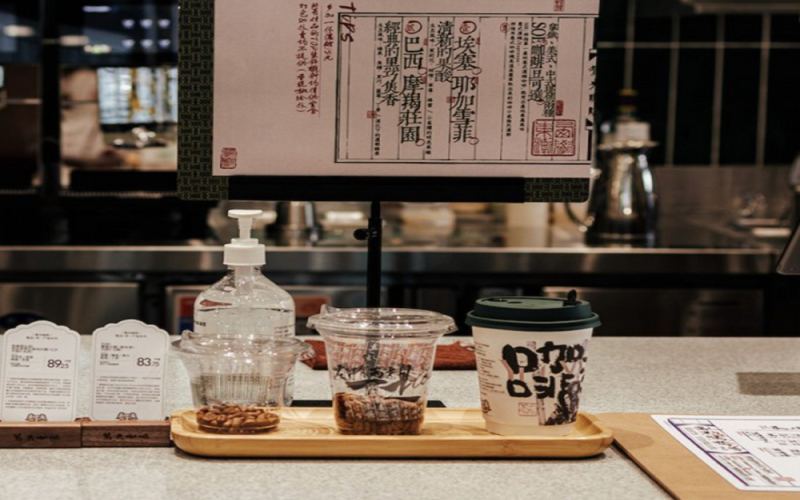
From Guochao Design to Local Flavors: How Chinese-Style Coffee Is Forging Its Own Path
In recent years, cafés featuring elements of traditional Chinese culture have been springing up one after another, and coffee, this imported product, is accelerating its path toward Sinicization. From new-style tea beverage brands跨界 opening coffee shops, to domestic local brands driving down prices to cultivate the market, to industry practitioners proposing that Chinese-style coffee should have its own mode of expression, this path is full of both opportunities and challenges. This article sorts out the evolution of coffee in China from the instant coffee era to the specialty coffee wave, and explores the current state and future of new Chinese-style coffee—innovation can attract the masses, but only professionalism, the cultivation of local bean varieties, and deep cultivation of the Yunnan production region can truly make Chinese-style coffee remembered by the world. At the end of the article, Front Street Coffee's communication channels are attached. [more…]

Starbucks Ends Operations in the Russian Market: The Era of Franchising Comes to a Close as Local Companies Seize the Takeover Opportunity
星巴克正式宣布退出俄罗斯市场,结束自2007年以来由特许合作伙伴全资运营的130家门店业务。这一决定紧随麦当劳之后,标志着美国两大餐饮连锁品牌在俄乌冲突背景下全面撤离俄罗斯。星巴克曾承诺将特许权使用费捐赠给乌克兰人道主义事业,并暂停门店运营。与此同时,麦当劳将俄罗斯业务出售给本土特许经营商,保留员工与供应链,但更换品牌继续经营。西方企业大规模撤离之际,俄罗斯本土企业迎来难得的扩张机会,政府也在推进资产破产或国有化进程。 [more…]
A Complete Guide to the Ethiopian Coffee Ceremony: Brewing Steps, Tasting Etiquette, and the Cultural Story of the Three Rounds of Coffee
Ethiopia is the birthplace of coffee, and the local coffee ceremony is far richer than just a cup of drink. Based on a three-week firsthand experience, this article provides a complete breakdown of the coffee ceremony process: laying out fresh green grass, washing raw beans, roasting over charcoal, crushing in an iron mortar, boiling in a clay pot, and then the three-round coffee drinking order of "Abol," "Tona," and "Baraka," along with the accompanying snacks. The article also describes the unique atmosphere created by myrrh incense, and why locals insist on hand-crushing rather than using a machine grinder. Whether you are a coffee enthusiast or a cultural explorer, you can feel the devotion and ease of this ancient ritual, and learn about Front Street Coffee's recommendations for Ethiopian coffee. [more…]

Cold Reflection Amid the Coffee Localization Craze: Can New Chinese-Style Coffee Truly Win the Hearts of Chinese Consumers?
In recent years, "new Chinese style" has become a hot topic in the food and beverage industry, and coffee is no exception. From coffee served in lidded bowls to collaborations with Chinese-style breakfasts and traditional medicinal herbs, a growing number of coffee professionals are trying to blend coffee with elements of traditional Chinese culture. This localization strategy has indeed opened up a new niche in the coffee market, drawing a great deal of attention on the back of the "national trend" wave. Yet when coffee is draped in a gorgeous Chinese-style exterior, what do people actually remember—the coffee itself, or the exquisite packaging and settings? This article takes an in-depth look at the current state of new Chinese-style coffee and its hidden concerns, reflects on whether the development of coffee culture in China has truly touched the essence, and calls for more professional attention and dedication to coffee itself. [more…]
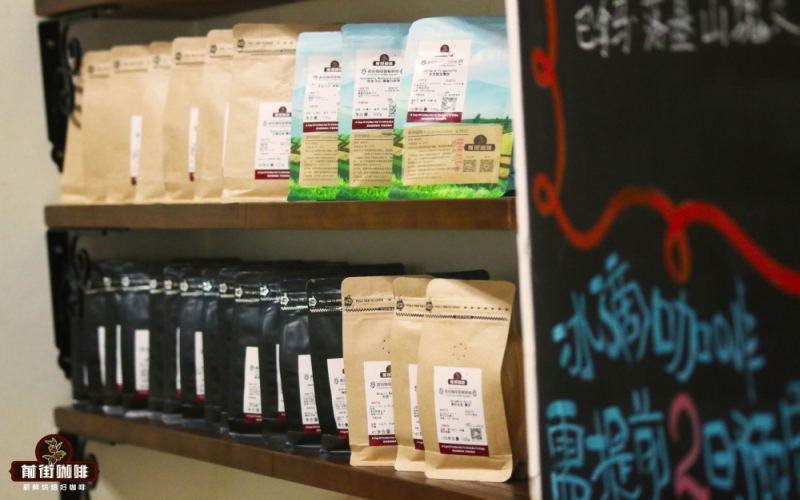
Guangzhou Local Freshly Roasted Coffee Beans Buying Guide: Ten Selected Recommendations of Front Street Single-Origin and Blends
For those who want to drink truly fresh coffee beans, specialty roasters are the top choice for many coffee lovers. In Guangzhou's old Dongshan area, there is a local brand that has been deeply engaged in specialty roasting for many years—Front Street Coffee, which insists on fresh roasting within 5 days, small-batch fine production, strictly selects green beans from global origins, and always stocks dozens of single-origin and blended coffees. This article compiles purchasing information for Front Street Coffee and lists ten freshly roasted coffee beans that buyers must try, covering espresso blends, Ethiopian natural, Geisha blends, Mandheling, Yirgacheffe, Kenya, Costa Rica, Colombia, Brazil, and Panama, with flavor descriptions and reasons for making the list to help you quickly lock onto your target according to taste. [more…]
An In-Depth Look at Yirgacheffe Coffee Beans: Origin Story, Variety Characteristics, Processing Methods, and Flavor Differences Fully Explained
Yirgacheffe is the starting point for many coffee lovers stepping into the world of specialty coffee. That bright, citrus-like acidity and delicate white floral aroma are enough to overturn people's conventional understanding of coffee. This article will take you through a comprehensive look at Yirgacheffe's origin story, variety characteristics, and flavor code: from how it became independent from the Sidama region, to the origins of the local native variety HEIRLOOM, and then to the flavor differences brought by the two processing methods, natural and washed. At the same time, drawing on bean list examples from Front Street Coffee, it includes suggested brewing parameters for a medium-light roast Yirgacheffe to help you understand this classic African coffee more systematically. [more…]
Sarawak's Long Banga indigenous community switches to growing Liberica coffee, hoping to enter the international market and boost ecotourism
In the Long Banga area of northeastern Sarawak, Malaysia, indigenous farmers are turning their attention to coffee cultivation, hoping to bring local coffee beans to the international market and to inject new vitality into local tourism through coffee estates. Sarawak's economy has long relied on oil, natural gas, rubber, and hardwood, and excessive logging has brought ecological pressure, with coffee and tourism seen as directions for transformation. The main local crop is Liberica, valued for its tolerance of low altitudes, strong disease resistance, larger fruit, and faster ripening. Although coffee was introduced in the 19th century, it faded into obscurity due to poor management and the priority given to pepper and rubber, and only in 2019 did a turning point arrive. Today, farmers run homestays while growing coffee, and the government also hopes to use historic buildings, rivers, and jungle resources to attract more tourists. [more…]